
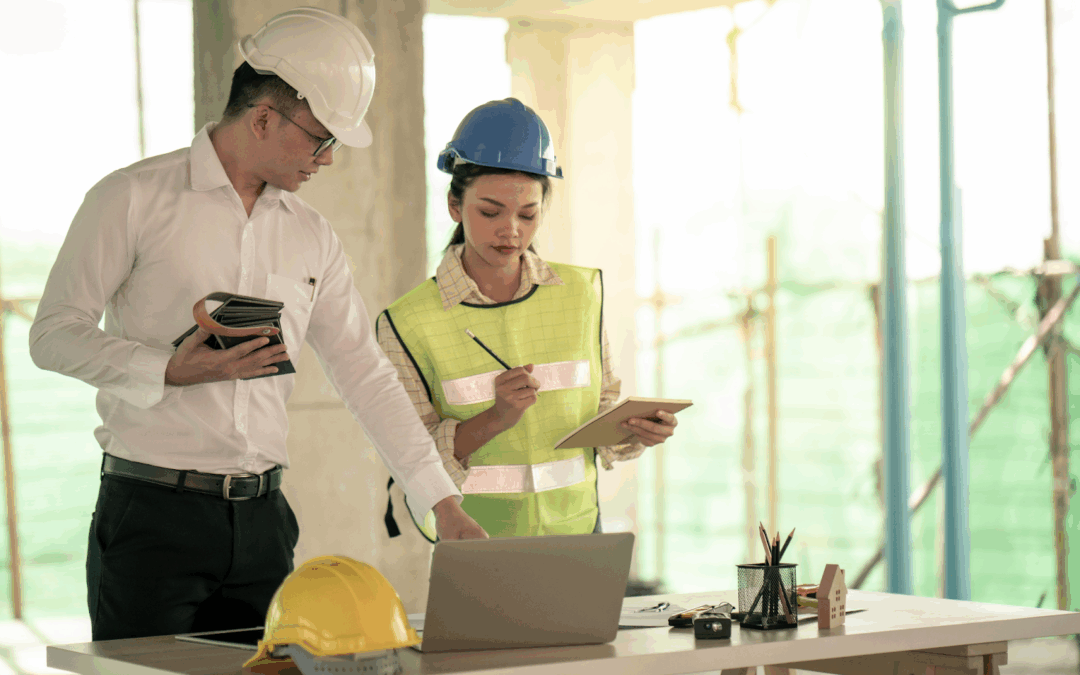
The decisions made before construction begins can significantly impact a commercial building’s cost, functionality, schedule, and long-term performance. From choosing building materials to determining the best layout, early planning gives property owners an opportunity to address potential challenges before they become costly construction problems.
Design-build provides an important advantage by bringing design and construction expertise together from the beginning. Rather than developing plans separately and bringing in a contractor after the design is complete, owners work with one coordinated team that evaluates construction costs, materials, scheduling, and building functionality throughout the design process.
This integrated approach helps owners make decisions with a clearer understanding of how each choice affects the overall project.
Connect Building Design With Construction Reality
In a traditional construction process, architects and designers may develop plans before a general contractor provides detailed construction pricing and scheduling input. If the completed design exceeds the budget or presents construction challenges, the owner may need to approve revisions that affect both cost and timing.
With design-build construction, contractors, designers, engineers, and key subcontractors can collaborate while plans are being developed.
This coordination allows the team to identify potential construction challenges, evaluate material availability, and recommend practical solutions before major decisions are finalized.
For property owners, the benefit is greater visibility and fewer decisions based on incomplete information.
Develop a Layout That Supports Daily Operations
A commercial building should be designed around how the business operates, not simply how the finished space will look.
During the design-build process, owners can discuss employee workflow, equipment placement, storage requirements, customer access, and operational efficiency with professionals who understand both design and construction.
For example, a manufacturing facility may require specific equipment clearances, efficient material movement, and convenient loading access. An office building may benefit from flexible workspaces, meeting areas, and room for future staffing changes.
By evaluating these requirements early, the design-build team can help owners identify layout improvements that support daily operations while avoiding unnecessary modifications during construction.
Make Better Material Decisions With Cost and Performance in Mind
Choosing building materials requires balancing initial construction expenses with durability, maintenance requirements, availability, and long-term performance.
Design-build allows owners to compare these factors before specifications are finalized.
For example, an exterior material with a higher initial cost may offer longer service life or lower maintenance requirements. Alternatively, a more readily available material may provide similar performance while supporting the project schedule.
Because construction professionals participate in the design process, owners can better understand installation requirements, pricing differences, and potential scheduling implications.
This helps ensure that material decisions support both the construction budget and the building’s long-term value.
Identify Site Challenges Before They Affect Construction
Site conditions can influence nearly every part of a commercial construction project.
Grading, drainage, utilities, soil conditions, parking, access roads, and zoning requirements may affect building placement, design requirements, and overall costs.
During early design-build planning, the team can evaluate available site information, coordinate necessary investigations, and identify conditions requiring additional attention.
For example, a proposed building location may interfere with existing utility lines or create challenges for delivery vehicle access. Identifying these concerns during design gives owners an opportunity to consider alternatives before construction begins.
This early coordination can reduce the likelihood of unexpected changes, scheduling conflicts, and additional expenses.
Use Early Cost Monitoring to Maintain Budget Control
One of the strongest benefits of design-build is the ability to monitor construction costs as the project takes shape.
Rather than waiting until completed drawings are priced, owners can receive cost feedback throughout design development.
If a proposed layout, building system, or material selection increases estimated costs, the team can explain the impact and help evaluate alternatives.
This allows owners to prioritize essential features, consider value engineering opportunities, and make adjustments while changes are generally easier to implement.
Early cost monitoring also helps owners evaluate the long-term financial impact of their decisions. A lower-cost option may reduce initial spending, but a different investment may provide better energy efficiency, durability, or operational flexibility over the building’s useful life.
The goal is not simply to lower construction costs. It is to make informed investments that support the property’s long-term performance.
Plan for Future Growth Without Unnecessary Upfront Spending
Commercial buildings often need to adapt as businesses expand.
During the design-build process, owners can discuss future square footage, staffing requirements, equipment upgrades, utility capacity, and potential building additions.
For example, strategically positioning a new facility on the property may preserve an area for future expansion. Planning utility routes or evaluating structural requirements early may also make future improvements more practical.
These discussions help owners distinguish between improvements worth including during initial construction and upgrades that can reasonably be completed later.
The result is a more flexible facility that supports current operations without overlooking future business needs.
Simplify Communication and Project Accountability
Another important advantage of design-build is the coordination provided through a single design and construction team.
Instead of managing separate conversations between designers and contractors, owners have a more unified process for discussing project goals, reviewing options, and resolving questions.
When design changes affect construction costs or scheduling, the team can evaluate those impacts together and present options to the owner.
This coordinated approach can reduce communication gaps, improve accountability, and make the decision-making process more manageable.
Although owners still make important project decisions, they benefit from having design and construction professionals working toward the same objectives throughout planning.
Build Long-Term Value Through Better Early Decisions
The value of design-build extends beyond completing construction. Decisions made during planning influence how efficiently a facility operates, how much it costs to maintain, and how easily it can accommodate future business needs.
By combining design expertise, construction knowledge, early cost monitoring, and coordinated planning, design-build gives owners a more complete understanding of their options before committing to major investments.
LCW Construction works with commercial and industrial property owners throughout Virginia, West Virginia, and Maryland to develop construction solutions aligned with operational requirements, project budgets, and long-term objectives.
With the right planning and coordination, design-build helps owners move into construction with clearer expectations, more informed decisions, and a stronger foundation for lasting property value.